Living in the social media era
paid advertisement
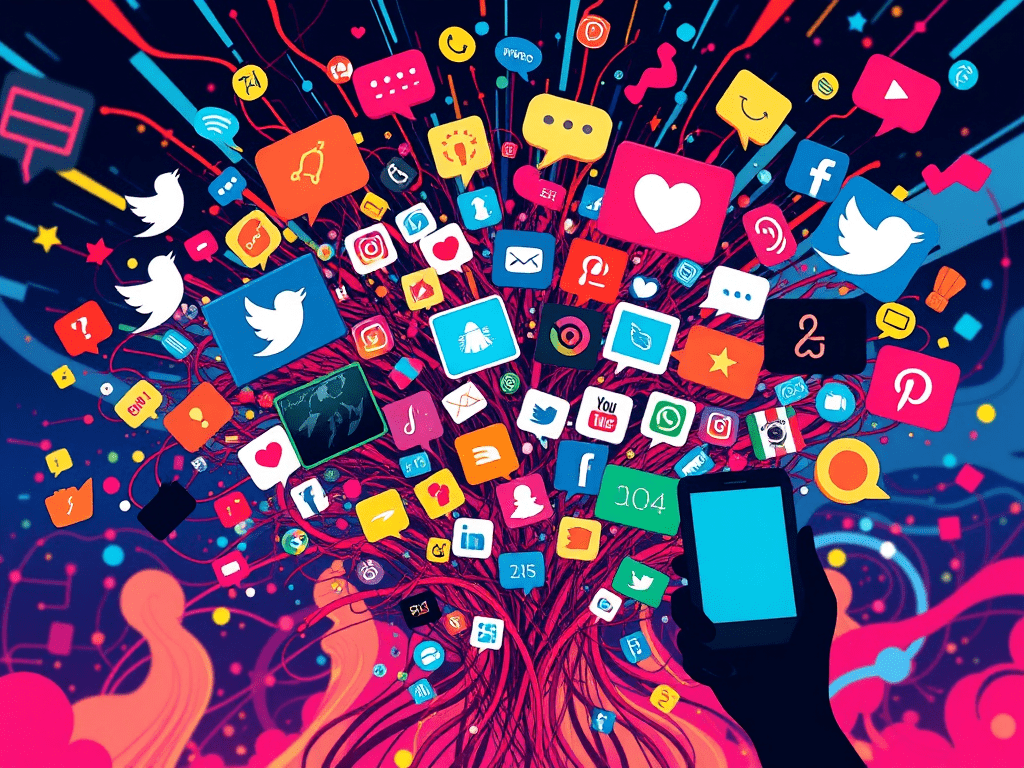
I updated the blog post. In the past I wrote that “I am not bashing on social media”. However, now I actually feel differently. It’s not based on conventional narratives just my personal observations. Social media is a powerful tool for spreading misinformation and cruelty towards those who disagree with us. Facebook, Instagram, X, Thread and more are creating a very toxic virtual world that is shaping our reality.
In fact, calling “social media” a media is misleading. It’s a social engineering dumpster, filled with an overwhelming amount of information that distorts reality and exploits our innate desires for connection and validation. The idea of bringing the world together might have been the initial pitch when social media platforms attempted to establish their foundations, promoting inclusivity and shared experiences. However, now it has us by the balls, tightly gripping our attention and emotions, often leading to addiction and mental distress. This manipulation of human psychology reveals a landscape where genuine interactions are overshadowed by curated personas, creating a paradox where we feel more isolated despite being constantly connected.
Politicians now use social media as their personal stage to hurl insults and parade their own “facts” like carnival prizes. It’s the magical place where the talentless sibling of a famous athlete can collect fans as if fame were contagious, and where we air our grievances about exes with the dedication of someone fulfilling a civic duty. This is the virtual megaphone through which we broadcast every frustration, from global crises to the tragedy of cold coffee, all wrapped in the illusion that the world was desperately waiting to hear it.
Distraction or influential?
Social media could be influential, that influence could be both good and bad. In recent years it seems social media gave platform to voices that are more self-serving and influential with an agenda. Seems social media became a machine rather than a platform.
Social network has made us more antisocial. Social media lets us share our opinion with the world, no matter how absurd they may be. In recent years it’s less about engaging with others and more about propagating our own views, often leading to echo chambers where dissenting opinions are drowned out. This shift has transformed platforms into battlegrounds for validation rather than spaces for meaningful dialogue. Users often prioritize likes and shares over genuine interactions, resulting in superficial connections that lack depth and understanding. Consequently, while we are more connected digitally, we may find ourselves lonelier and more isolated in our real lives, craving authentic communication that often feels out of reach.
paid advertisement

The purpose of this particular blog isn’t to criticize social media platforms such as Facebook, Twitter, Instagram, etc. Rather, it aims to change our perception of the overall impact of social media on our lives and mental well-being. What if we approached everything we read on social media without reserving judgment? Yes, without judgment. Imagine the freedom we might experience if we refrained from passing instant opinions and allowed ourselves to appreciate the diverse perspectives and narratives shared online. I’m not suggesting something from my high horse; I often find myself reading comments from strangers and, disturbingly, taking them personally. It’s quite absurd, isn’t it? How ridiculous does it seem that a complete stranger somehow offended me with a comment that was very likely not even intended for me? Such reactions only underline how deeply intertwined our identities have become with our online interactions. In doing so, we may inadvertently allow external opinions to dictate our self-worth, highlighting the need for a more mindful approach to social media consumption.
paid advertisement

A great motivational speaker and author once said, if we look for things to be offended we will find them. So what if we tried to eliminate seeking distractions that could actually offend us for no valid reason? Can you imagine how free we would feel? What if we read posts and if we disagree we merely move on?
Discussion not argument
When reading or responding, our initial instinct is to be defensive. But let’s not succumb to that urge. Even if it feels personal or even provocative, we can choose a different path. First and foremost, with practice each and every day, I am learning to be less reactive in my responses. What I mean is that if I read something or hear something I don’t care for, I consciously focus on not reacting to it impulsively. It’s not an easy task. In the beginning, it seemed impossible to alter my instinctual reactions, but I realized that I had to expand my perception and broaden my understanding of the context behind the words. This process involves recognizing that others’ opinions and emotions often stem from their own experiences and perspectives, which may not have anything to do with me personally. As I continue on this journey, I am discovering the power of patience and empathy, allowing me to approach conversations with a calmer mindset, ultimately fostering healthier and more constructive dialogues.
On social media, it’s just as easy to be respectful as it is to be disrespectful—it’s entirely our choice. It doesn’t have to feel like a perfect movie scene, but showing more tolerance and a bit more patience when engaging can go a long way. Eventually, we must realize that hating consumes so much time and energy. By being just a little more understanding, we could transform social media into a truly useful resource with a positive impact.
It’s not easy to ignore everything that could bother you. But it is possible to gradually choose how we react or if we react. What I mean is instead of being offended or upset by something that is merely an opinion we could just move forward without giving too much thought.
Tailor social media to your needs
Social media has a purpose—it doesn’t control us. It gives everyone a platform, which can be both good and bad. In recent years, it’s shown to be more good than bad. But imagine if we shifted the focus. We could disagree intelligently and respectfully. There are countless examples of kindness and decency on social media, and we should shine a light on those more often.
Social media platforms rely on users for their existence and profit from our addiction to instant gratification. If we reclaim control by reducing our engagement, particularly by avoiding social media for the first few hours of the day, we can mitigate the negative impact of these platforms and their incentive to spread harmful narratives. We have the power to boycott social media. We have the power to spread more positive or at the very least not react to everything we disagree with. You don’t bark at every dog that’s bark at you.
Final thought
Social media has transformed into a powerful beast, preying on our desire for “instant gratification.” It’s nothing short of a digital addiction, gripping our attention and distorting our perceptions of reality. Instead of fostering meaningful connections, it can lead us down a path of superficial interactions that diminish our capacity for empathy and understanding. Sure, we could opt for kindness, but will anyone actually follow suit? We might think our voices will be drowned out amidst the cacophony of negativity, yet every act of kindness has the potential to ripple outward, influencing others. We can clash in our disagreements, but why bother with respect when it’s so easy to resort to derision and dismissal? The world is crying out for kindness, yet here we are, feeding the fire of outrage. Why not leverage this platform to unleash compassion instead of hate? By promoting positivity and understanding in our digital interactions, we can gradually shift the narrative, creating a more supportive online environment that encourages growth and healing for all.
 M31 Author
Leave a comment